In South Africa, the practice of dog ear cropping—surgically removing part or all of a dog’s ear flaps for cosmetic purposes—has been outlawed, reflecting the nation’s growing commitment to animal welfare. This ban, enforced under the Animals Protection Act No. 71 of 1962 and supported by the South African Veterinary Council (SAVC), marks a significant step in prioritizing the well-being of our furry companions. Unlike ear cropping, male circumcision is protected under South Africa’s Constitution due to its deep cultural, religious, and public health significance. Let’s explore why dog ear cropping is illegal, the reasoning behind this law, and why comparing it to circumcision is misguided, all while celebrating South Africa’s progressive stance on animal rights.
Why Dog Ear Cropping Is Illegal in South Africa
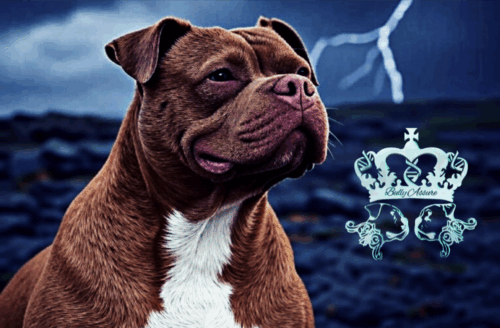
Dog ear cropping, often performed on breeds like Doberman Pinschers and Great Danes, involves cutting away portions of a dog’s ear flaps to achieve a pointed, upright appearance. Historically, some argued it reduced ear infections or enhanced a dog’s “tough” look for guarding purposes. However, modern veterinary science has debunked these claims, showing no medical or functional benefit to the procedure. In fact, ear cropping is now widely recognized as a painful, unnecessary mutilation that can cause long-term harm.
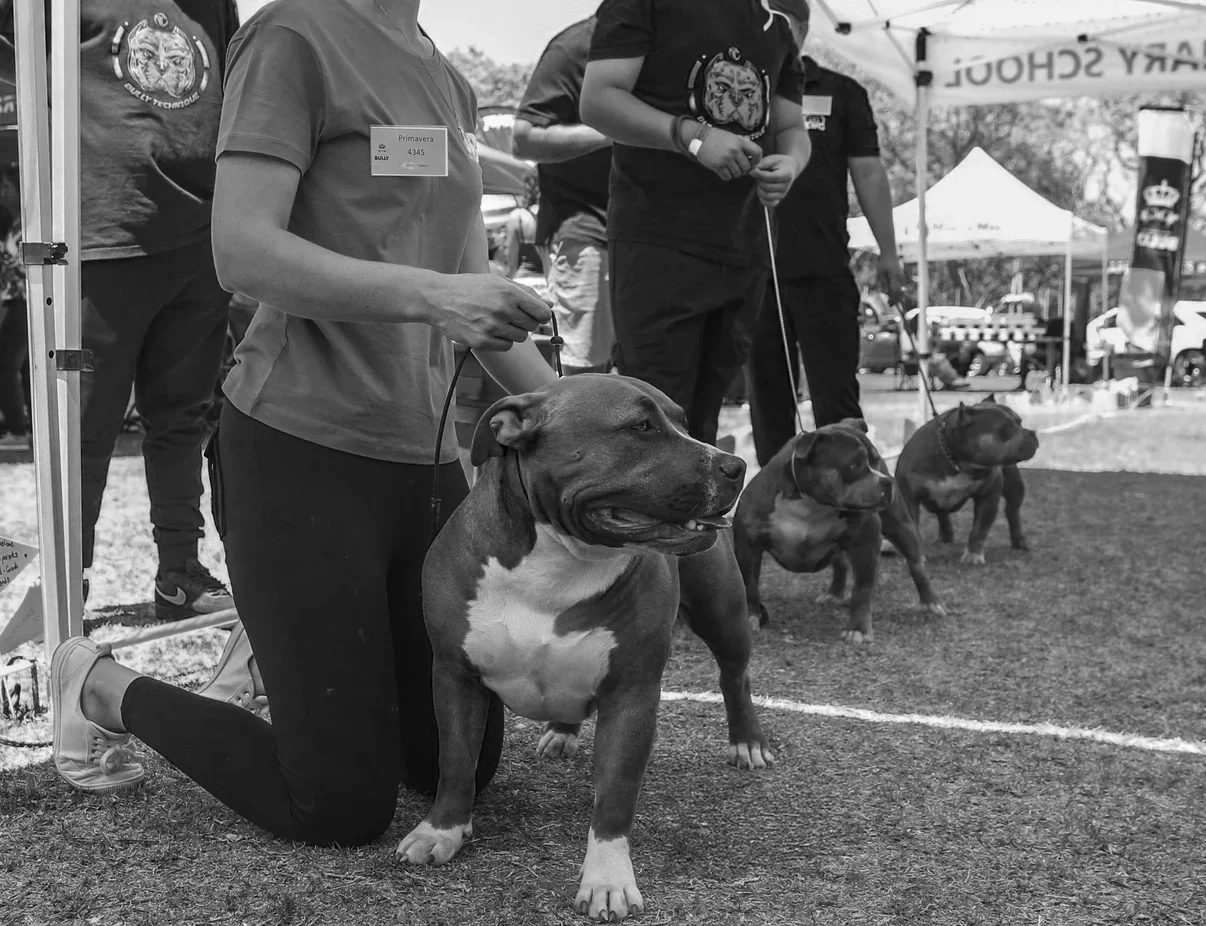
Under South African law, ear cropping is prohibited as an act of cruelty under the Animals Protection Act, which safeguards animals from unnecessary suffering. The SAVC has explicitly stated that veterinarians cannot perform ear cropping, and laypeople are also barred from doing so, as it constitutes a surgical procedure requiring professional expertise. Violators face legal consequences, and the Law enforcement ensures compliance, with shows like those for Pit Bulls banning dogs born after August 2015 with cropped ears from competition. This reflects a broader cultural shift away from cosmetic alterations that prioritize aesthetics over animal welfare.(https://www.citizen.co.za/boksburg-advertiser/news-headlines/2019/07/24/ear-cropping-in-dogs/)
The procedure, often done without anesthesia, causes significant pain, prolonged recovery, and risks like infection or impaired ear function, which dogs use for communication. South Africa’s ban aligns with global trends—many countries, including most of Europe, Australia, and parts of Canada, have outlawed ear cropping for similar ethical reasons. By prohibiting this practice, South Africa ensures dogs are treated with the respect and care they deserve as sentient beings, not as objects for human vanity.(https://en.wikipedia.org/wiki/Cropping_%28animal%29)
Why Circumcision Is Different and Constitutionally Protected
Comparing dog ear cropping to male circumcision, as some online discussions have done, oversimplifies complex issues. In South Africa, male circumcision is deeply rooted in cultural and religious practices, particularly among communities like the Xhosa, where it is a sacred rite of passage marking the transition to manhood. The Constitution of South Africa (1996) protects the right to cultural and religious practices under Section 15 (Freedom of Religion, Belief, and Opinion) and Section 30 (Language and Culture), ensuring individuals and communities can practice traditions like circumcision, provided they align with other constitutional rights, such as bodily integrity and consent.(https://lawlibrary.org.za/akn/za-cpt/act/by-law/2021/animal-keeping/eng%402021-12-09)
Moreover, medical male circumcision is a cornerstone of South Africa’s public health strategy to reduce HIV transmission. Clinical trials have shown it lowers the risk of HIV infection from women to men by up to 60%, making it a key component of the National Strategic Plan for HIV, TB, and STIs. Unlike ear cropping, which is purely cosmetic, circumcision has valid cultural, religious, and health benefits, often performed under medical supervision with anaesthesia to minimize harm. While traditional circumcisions, particularly in initiation ceremonies, have faced scrutiny due to risks from untrained practitioners, the Customary Initiation Act (2021) regulates these practices to ensure safety and certification, balancing cultural rights with health protections.[](http://www.scielo.org.za/scielo.php?script=sci_arttext&pid=S0256-95742016001200013)[](https://www.themirror.com/news/world-news/south-africa-mass-circumcision-tradition-1257797)
A Positive Step Forward for South Africa
South Africa’s ban on dog ear cropping is a triumph for animal welfare, reflecting a society that values compassion and science over outdated traditions. By enforcing this law, the country protects dogs from unnecessary pain and ensures their natural ability to communicate and thrive remains intact. For pet owners, this is an opportunity to embrace dogs as they are—beautifully unique, with floppy or upright ears that tell their own story. Instead of altering their appearance, we can focus on responsible pet ownership: proper training, socialization, and care that prioritize a dog’s health and happiness.
For those considering cosmetic procedures for their pets, South Africa’s laws send a clear message: animal welfare comes first. If you’re passionate about your dog’s appearance, channel that energy into grooming, healthy diets, or training to showcase their natural beauty and strength. Let’s celebrate South Africa’s progressive stance by advocating for all animals to live free from unnecessary harm, fostering a culture of empathy and respect.